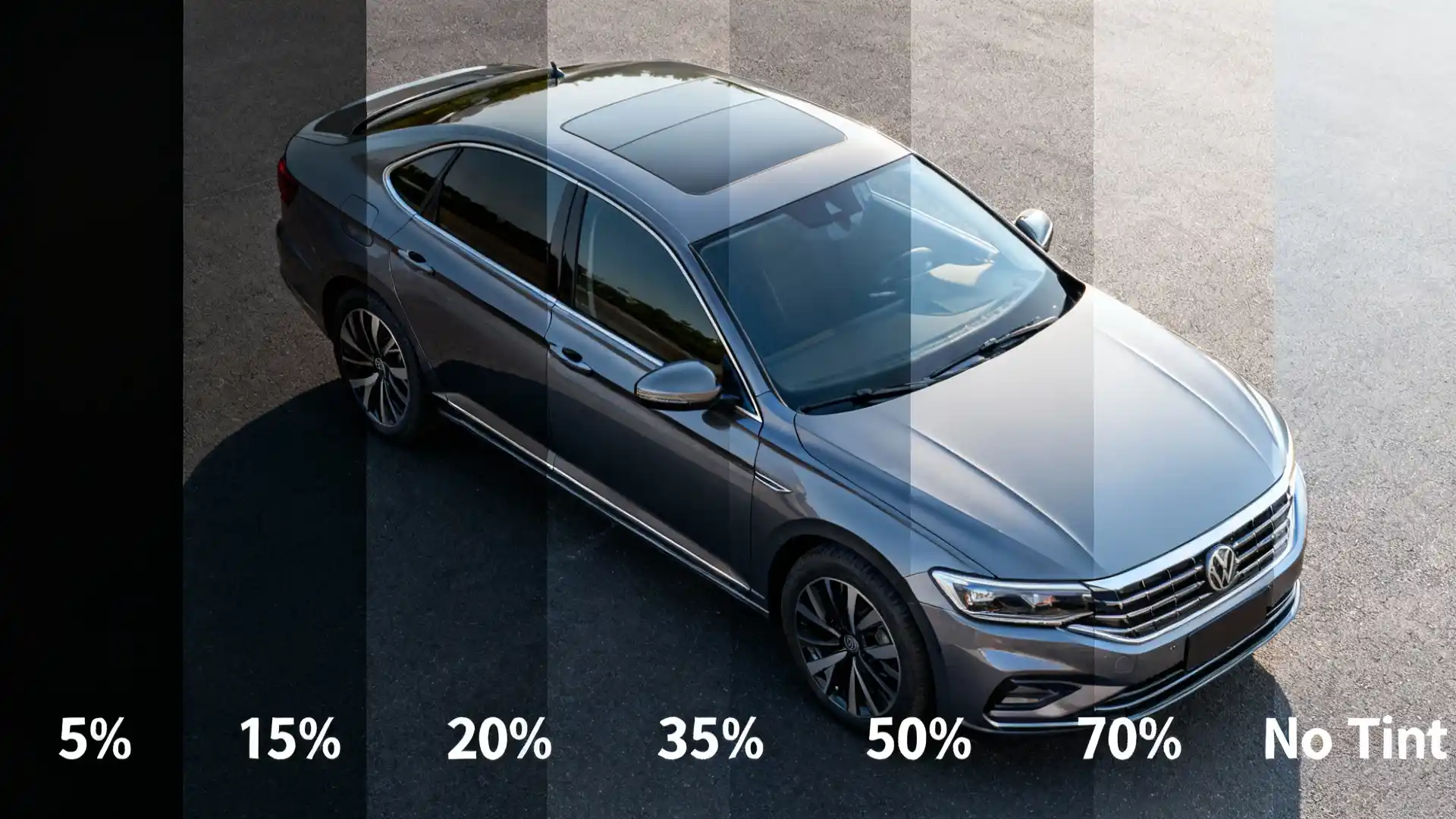
Tint car windows percentage refers to how much visible light can pass through your car windows. A lower number means darker windows, while a higher number means lighter windows. For example, 5 percent window tint is very dark and blocks most light, while 70 percent window tint is very light and mostly clear. Choosing the right tint percentage depends on comfort, visibility, privacy, and local rules.
This guide explains tint percentages in simple terms so you can choose the right option with confidence.
Tint Car Windows Percentage Explained in Simple Terms
Tint car windows percentage is one of the first things drivers hear when they start thinking about window tint. The number may sound technical, but the idea is simple. The percentage shows how much light can pass through your car window after the tint is applied.
If a window allows more light, the percentage is higher. If it blocks more light, the percentage is lower. This system helps drivers compare tint options without confusion. A small number means dark glass. A large number means light glass.
Many drivers choose tint without fully understanding this rule. That can lead to regret later, especially when driving at night or in bright sunlight. Learning this basic idea makes the entire tint process easier.
Why Understanding Window Tint Percentages Matters Before You Choose
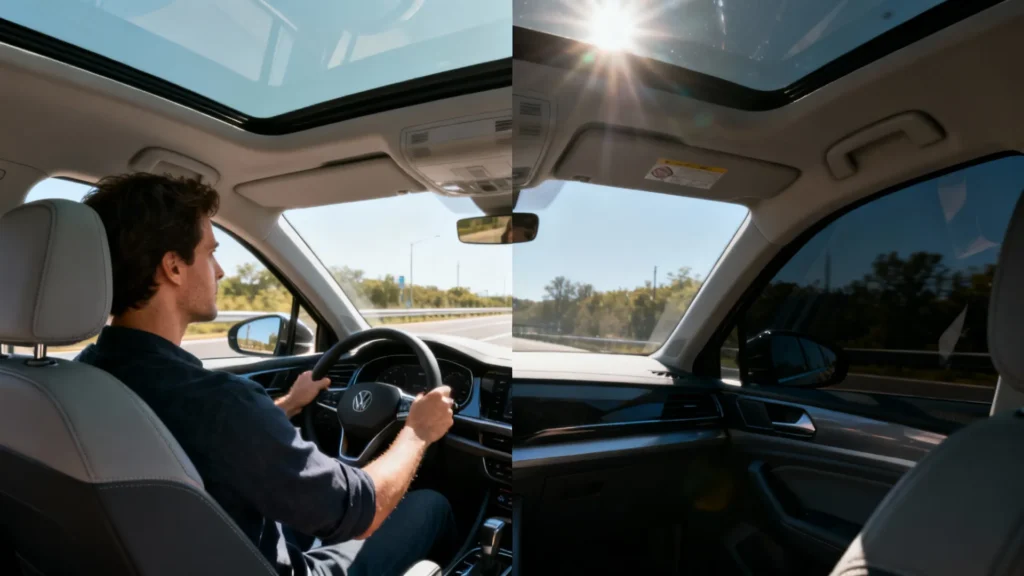
Choosing window tint is not just about style. It affects how safe and comfortable your drive feels every day. When tint is too dark, it can reduce visibility at night. When tint is too light, it may not block enough heat or glare.
Understanding tint percentages helps avoid these problems. It helps drivers match tint to their lifestyle. Someone who drives long hours during the day may want more sun protection. Someone who drives often at night may want better clarity.
Window tint also protects the interior of the car. Seats, dashboards, and electronics last longer when harmful sunlight gets reduced. The right tint helps maintain your vehicle’s condition over time.
What Tint Car Windows Percentage Actually Means
Tint car windows percentage measures visible light transmission. This tells how much light travels through the glass and tint together. It does not measure how dark the tint looks alone. It measures the final result after installation.
For example, a 25 percent tint allows one quarter of outside light to enter the car. The rest of the light gets blocked. A 70 percent window tint allows most light through while still reducing glare.
Factory glass already blocks some light, so professional installers consider this when applying tint. This ensures the final percentage stays accurate and comfortable.
How Tint Levels Work and What the Numbers Represent
Tint levels follow a clear scale that works the same for all vehicles. Each number creates a different balance of light and shade.
- 5 percent window tint blocks almost all light. It offers strong privacy but very low visibility at night.
- 10 percent window tint is still very dark and often chosen for appearance.
- 15 percent tint adds slight visibility but remains bold.
- 20 percent tint balances style and shade well.
- 25 percent tint improves clarity while staying dark.
- 30 percent window tint works well for everyday driving.
- 35 percent tint feels natural and widely used.
- 50 percent window tint reduces glare without darkening much.
- 70 percent window tint stays light and clean looking.
Each level suits different driving needs.
Different Tint Levels for Cars and How They Affect Visibility
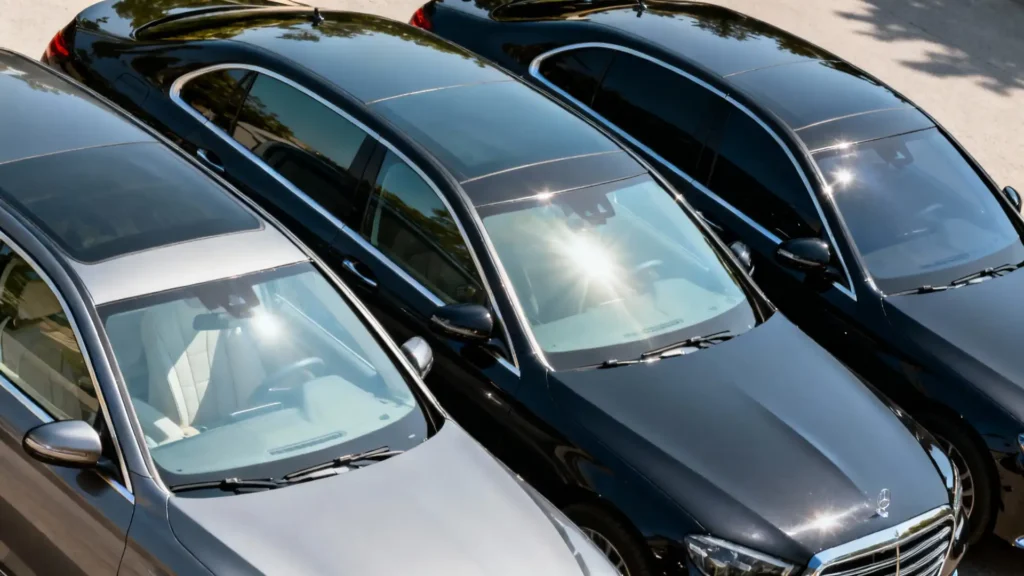
Visibility plays a major role in choosing tint. Darker tint reduces sunlight and glare during the day. This makes driving more comfortable in bright conditions. However, dark tint can make nighttime driving harder.
Lighter tint keeps windows easy to see through. It supports night driving and cloudy conditions. It also feels less restrictive for drivers who prefer openness.
Limo tint percentage offers extreme privacy but limits visibility. Medium tint levels work best for most drivers. Light tint levels suit drivers who prioritize clarity.
Common Tint Percentages Drivers Choose Most Often
Most drivers choose tint percentages that feel safe and practical. These options provide comfort without extreme changes.
- 20 percent tint remains popular for style and shade.
- 25 percent tint offers a balance between darkness and visibility.
- 30 percent window tint suits daily drivers well.
- 35 percent tint stays comfortable in most lighting.
- 50 percent window tint works for drivers wanting subtle protection.
- 70 percent window tint helps reduce glare while staying clear.
5 percent window tint attracts drivers focused on privacy. Each option serves a specific purpose.
Comparing Light vs Dark Tint Options for Daily Driving
Light tint options allow more natural light inside the car. They reduce glare while keeping the road visible. These options help drivers who travel early mornings or late nights.
Dark tint options block heat and sunlight effectively. They keep interiors cooler during the day and add privacy. However, they require careful driving at night.
Daily comfort improves when tint matches driving habits. Choosing based on appearance alone often leads to discomfort.
Choosing the Right Tint Percentage for Comfort, Privacy, and Style
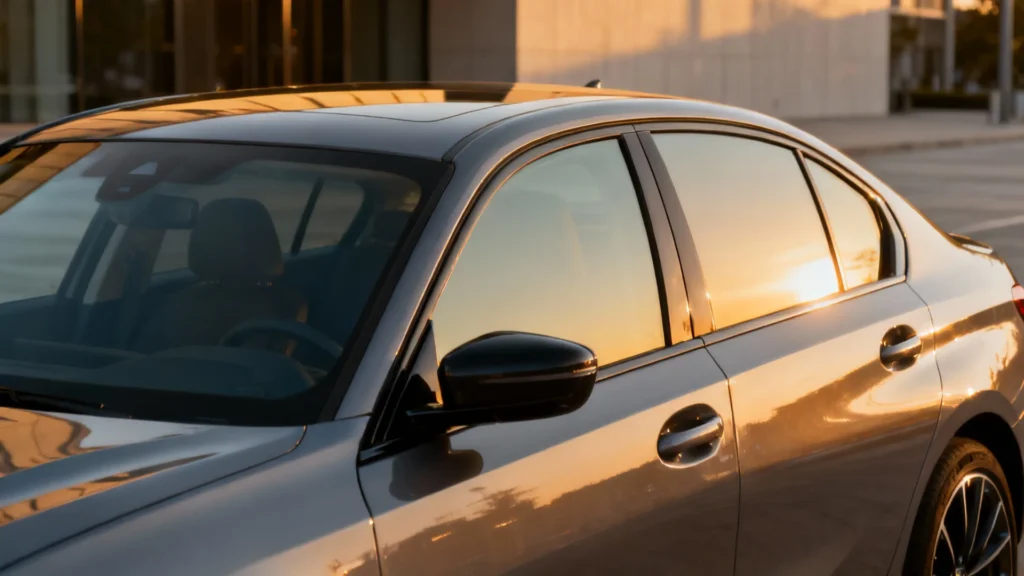
Comfort depends on temperature control. Privacy depends on visibility from outside. Style depends on personal preference.
Drivers should consider all three before choosing tint. Very dark tint looks bold but may reduce safety. Very light tint looks subtle but may not block enough sun.
Balanced tint percentages deliver the best experience. Testing sample shades helps visualize results. Professional guidance simplifies the decision process.
Legal Tint Considerations Drivers Should Know
Window tint rules exist to protect road safety. These rules usually limit how dark front windows can be. Rear windows often allow darker tint.
Ignoring tint rules can lead to fines and forced removal. Windshields usually allow only light tint. Side windows face stricter limits.
Professional installers stay aware of these standards and help drivers remain compliant while choosing effective tint options.
Professional Window Tinting Services in San Diego, CA
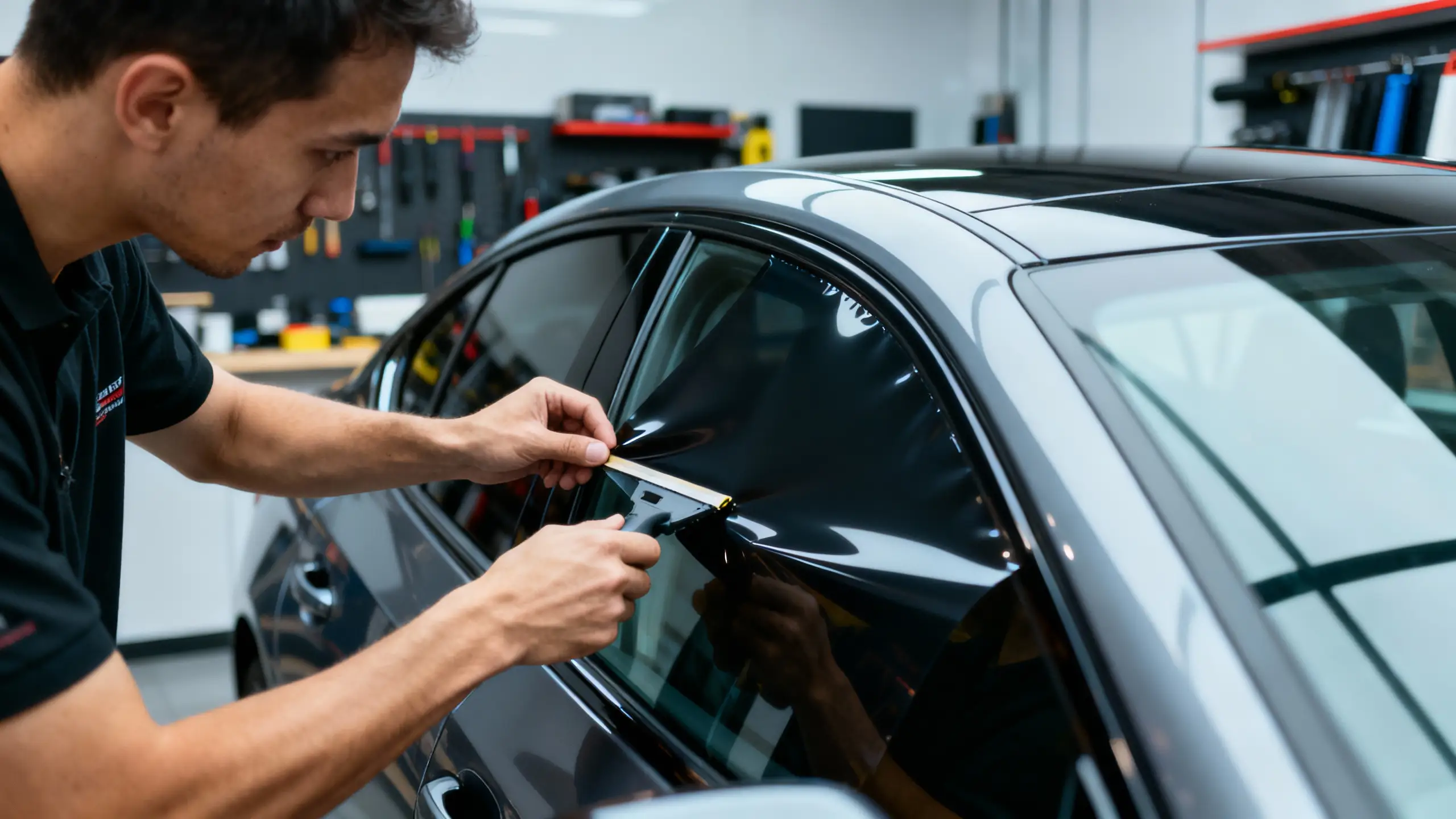
Professional tint installation ensures long lasting performance. Skilled installers apply film evenly and measure tint accurately. This prevents bubbling, peeling, and uneven shading.
Red Line Customs provides expert window tint services with attention to detail and driver needs. Their experience helps customers choose tint levels that balance comfort, safety, and appearance without confusion.
Final Tips to Select the Best Tint Percentage for Your Vehicle
Choosing window tint should feel informed and stress free. Drivers should think about when they drive most, how much privacy they want, and how much heat they want blocked.
Testing samples helps avoid mistakes. Professional advice saves time and money.
If you want a comfortable drive, protected interior, and clean appearance, speak with a trusted tint professional and choose a tint percentage that fits your driving lifestyle perfectly.