How long does window tinting take? For most vehicles, professional window tinting usually takes 1.5 to 3 hours, depending on the number of windows, the vehicle type, and the tint film used.
Window tinting is not an instant job, but it is not an all day process either. Most drivers can wait comfortably and leave with professionally tinted windows the same day. The exact time depends on factors like vehicle size, window shape, film quality, and installer experience. Understanding these details helps you plan your visit and avoid unrealistic expectations.
Understanding Window Tinting and Why Timing Matters
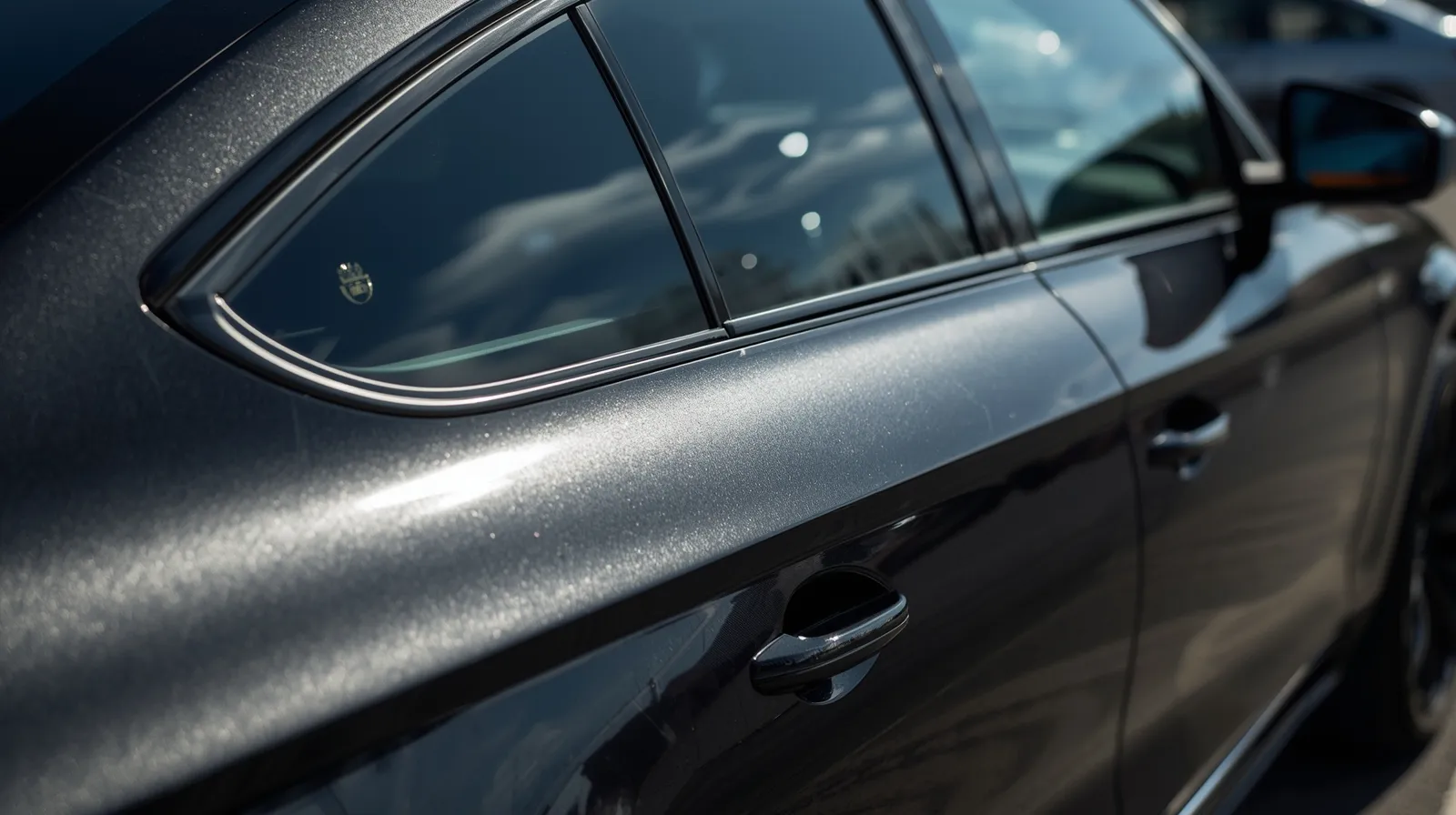
Window tinting is the process of applying a thin protective film to the inside of vehicle windows. This film blocks heat, reduces glare, protects interior materials, and improves privacy. While the idea sounds simple, the work itself requires steady hands, focus, and patience.
Timing matters because tinting is a precision based service. Each window must be cleaned perfectly before the film touches the glass. Even a tiny piece of dust can cause bubbles or lifting later. Professional installers slow down during preparation because mistakes at this stage often lead to redo work.
A quality tint job should look seamless once finished. No visible edges, no trapped dirt, and no uneven shading. Achieving that result takes time, and that is why understanding the process helps drivers appreciate why professionals do not rush.
What Most People Expect When Asking How Long Does Window Tinting Take
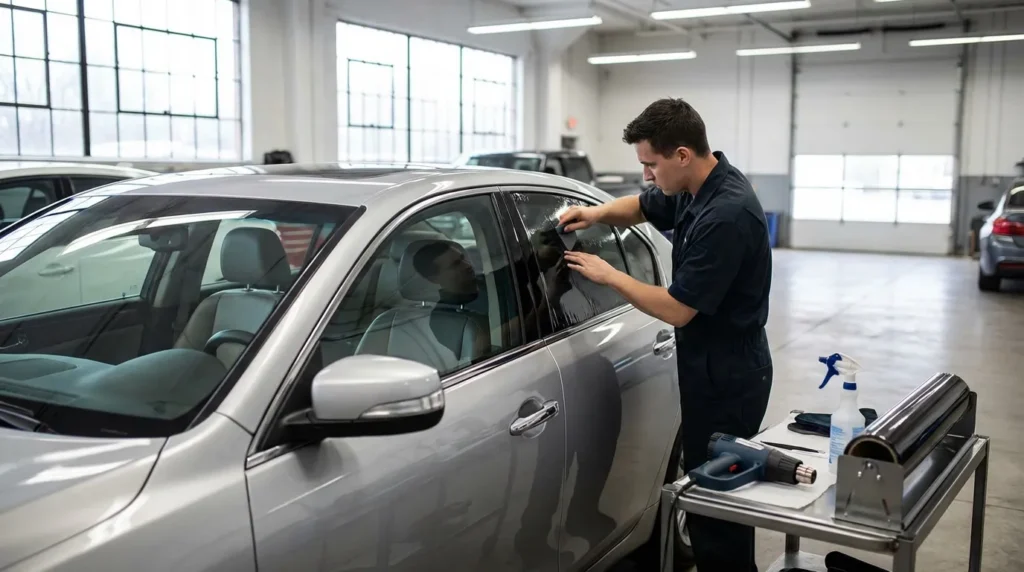
When people ask how long does window tinting take, they usually want a simple number. In reality, the answer depends on several details that are often overlooked. Many drivers expect tinting to be a quick stop like an oil change. Others believe it takes most of the day.
Most reputable shops aim for a balance. The job should be efficient but never rushed. Rushing leads to problems like peeling edges, trapped moisture, or uneven coverage. A professional installer works methodically so the tint performs well long term.
Expectations also depend on experience. First time customers often underestimate the importance of preparation. Experienced drivers know that careful work upfront saves time later by avoiding repairs or replacements.
Factors That Affect How Long to Tint Windows
Several factors influence how long to tint windows, even when two vehicles look similar.
The number of windows is the most obvious factor. A car with fewer windows takes less time. Window shape also plays a role. Curved rear glass takes longer because the film must be shaped precisely.
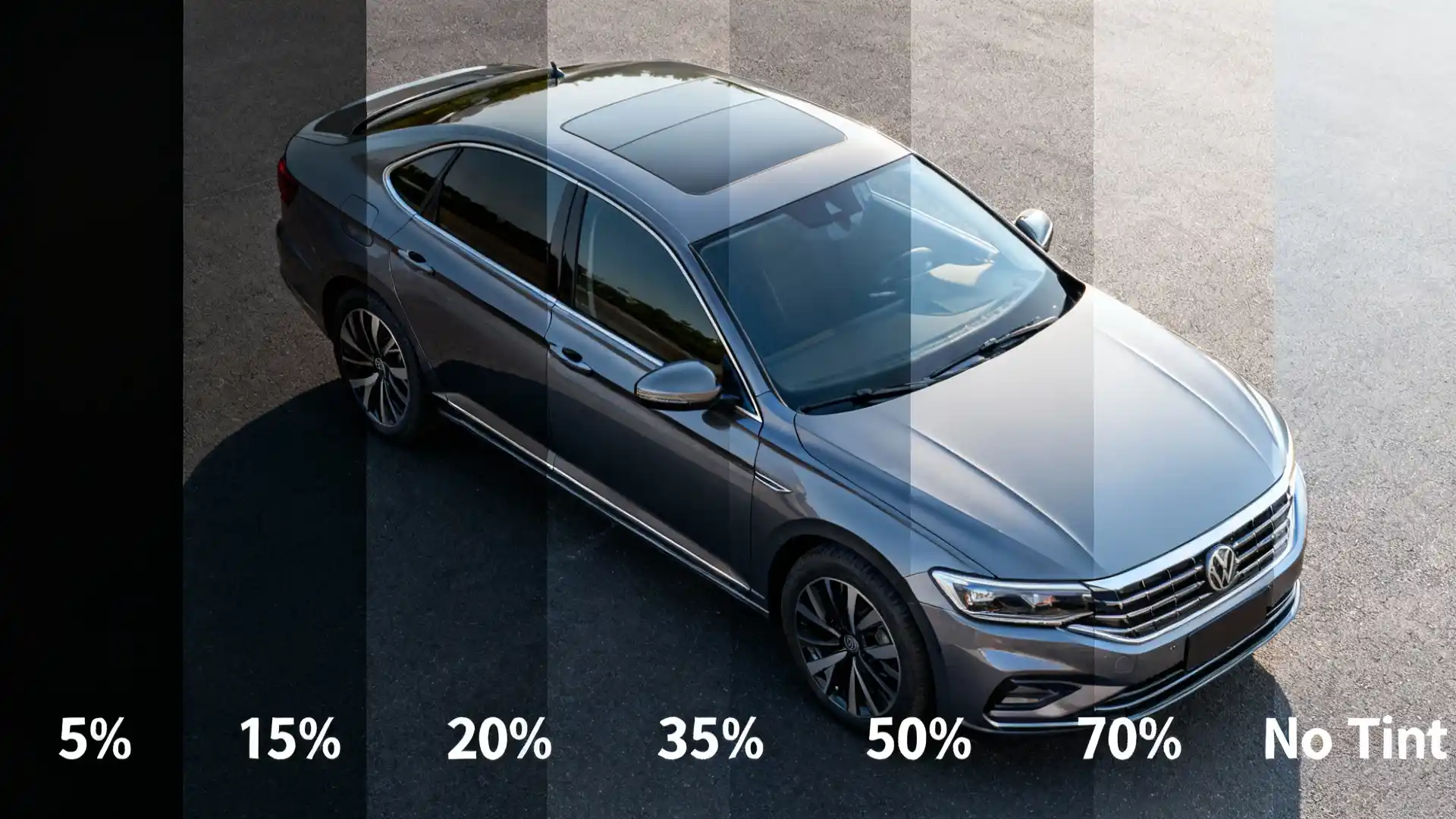
Film type matters as well. Standard dyed films install faster than thicker ceramic options. Ceramic film requires more careful handling due to its structure and performance benefits.
Installer skill is critical. Experienced professionals work smoothly and confidently. Inexperienced installers often stop to correct mistakes, which increases total time. Shop cleanliness, lighting, and temperature also affect installation speed and quality.
How Long Does It Take to Tint Car Windows on Average
On average, how long does it take to tint car windows? Most standard vehicles fall within the two hour range. Smaller cars may take slightly less, while larger vehicles require closer to three hours.
This estimate assumes professional installation using quality film. The time includes glass cleaning, film cutting, application, smoothing, and final inspection. Each step matters.
Some shops advertise extremely fast turnaround times. While speed may sound appealing, quality often suffers when steps are skipped. A proper tint job focuses on durability, clarity, and appearance rather than just speed.
Time Breakdown for Tinting One Window vs Full Vehicle
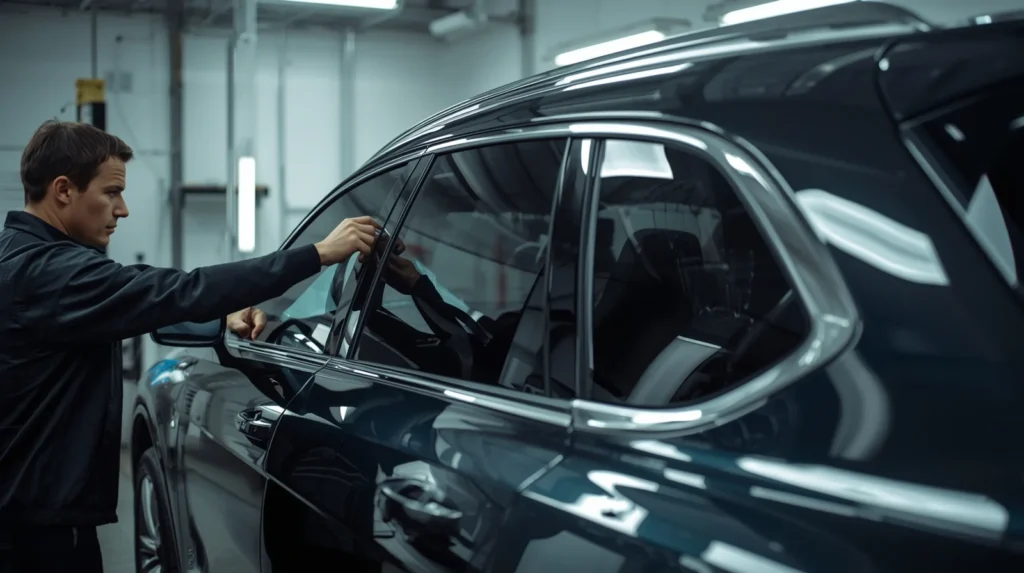
Tinting a single window might seem quick, but the preparation remains the same. Even one window requires careful cleaning and accurate film placement. This is why a single window can still take twenty to thirty minutes.
A full vehicle takes longer because each window goes through the same process. Rear windows often take the most time due to size and curvature. Front windows require precision to meet legal standards.
Planning for a full vehicle tint means allowing enough time so the installer does not feel rushed. Giving professionals room to work results in better long term performance.
Does Vehicle Type Change How Long Window Tinting Takes
Vehicle type plays a major role in how long window tinting takes. Sedans usually install faster because their windows are consistent in size and shape. SUVs and trucks have larger glass surfaces that require more handling.
Luxury vehicles sometimes feature complex window designs, which require extra attention. Older vehicles may need more preparation if residue or buildup is present.
Each vehicle presents unique challenges. Professional installers adapt their approach based on the vehicle rather than applying a one size fits all method.
The Tinting Process Explained Step by Step
Below is a clear, step wise look at how professional window tinting is done. This is the same general workflow used for high quality results, and it also explains why the job takes time.
Step 1, Vehicle check and window review
The glass is inspected first. The window shapes, curves, and any old film, scratches, or stickers are noted. This step prevents surprises later.
Step 2, Protect the interior
Towels and covers are placed on the door panels, seats, and electronics. This keeps water and cleaning solution off sensitive areas.
Step 3, Deep clean the outside glass
The outside of the window is cleaned first. Dirt and road film get removed so the installer can shape the film accurately without contamination.
Step 4, Film sizing and rough cutting
The tint film is placed on the outside of the glass and cut to the right size. This gives the installer a clean template before the film goes inside.
Step 5, Heat shaping for curved glass
For curved windows, especially the back glass, the film is gently heat shaped so it fits the curve smoothly. This step takes extra time but prevents fingers, creases, and lifting later.
Step 6, Deep clean the inside glass
The inside glass is cleaned very carefully. Even tiny dust pieces can cause bubbles. Corners and edges get special attention because that is where dirt likes to hide.
Step 7, Apply the installation solution
A light solution is sprayed on the inside glass. This lets the film slide into place and helps the installer line up the edges perfectly.
Step 8, Film placement on the inside
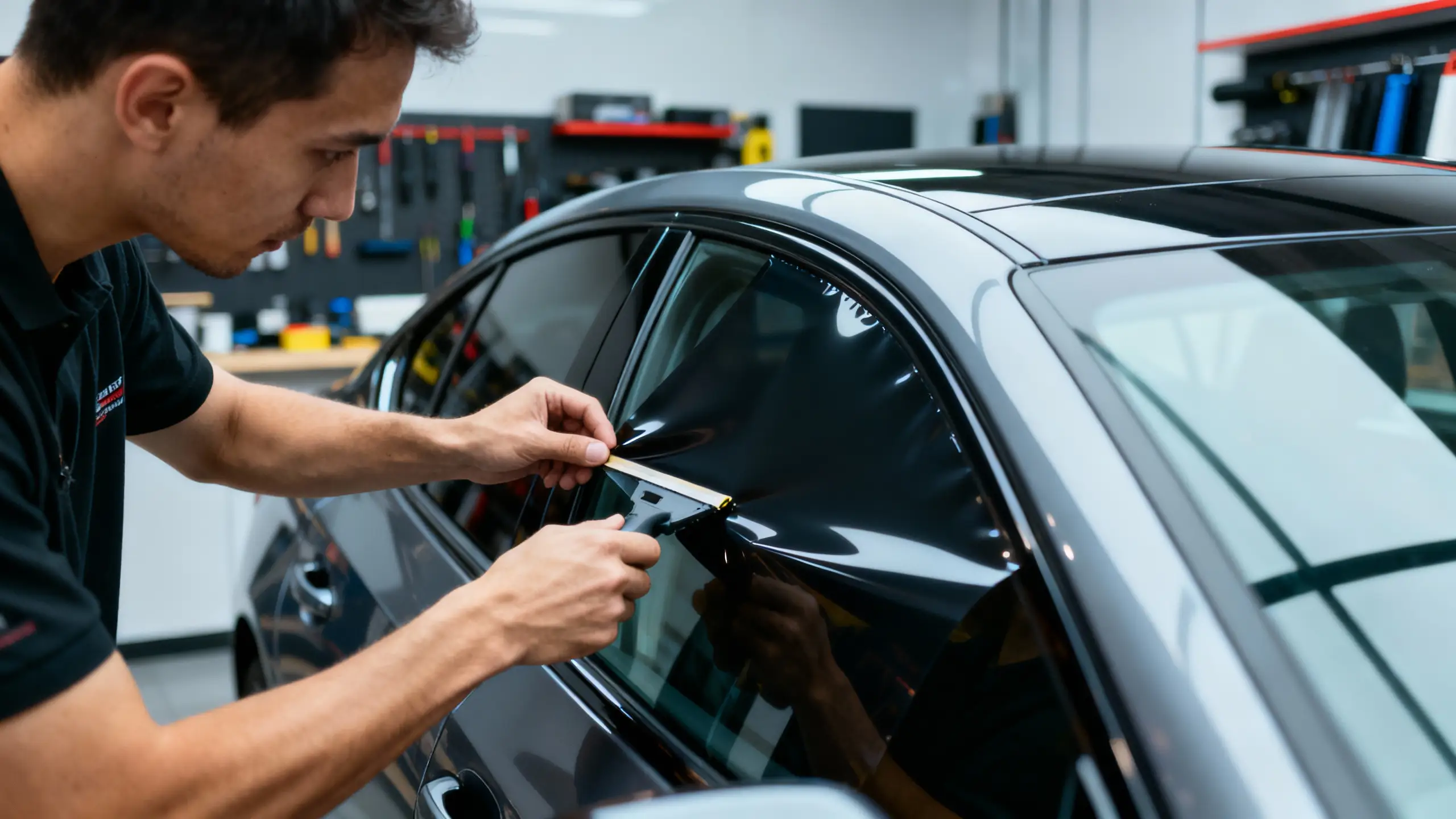
The backing is removed and the film is placed on the inside of the window. Alignment is checked before anything is locked in.
Step 9, Squeegee and water removal
Water and air are pushed out from the center toward the edges. The film is smoothed slowly to avoid trapped moisture and prevent small bubbles.
Step 10, Edge finishing and final trimming
Edges are pressed down and any fine trimming is done. This step helps the film seal properly and look clean.
Step 11, Final inspection and quality check
Each window is checked from multiple angles and lighting. If a spot needs a small adjustment, it is fixed right away.
Step 12, Aftercare instructions
You are told how long to keep windows up, what to avoid, and what normal curing looks like. This protects the tint during the cure period.
How Long Does Window Tinting Take in San Diego, CA
In San Diego, CA, professional window tinting timelines generally match national standards. Most vehicles are completed within two to three hours under normal conditions.
Local climate can influence curing time but does not significantly change installation time. Installers familiar with regional conditions select appropriate films and methods to ensure long lasting results.
Busy seasons may require scheduling ahead, but the actual service time remains predictable when handled by professionals.
What Happens After Tinting and How Long You Should Wait Before Driving
After tinting, most drivers can leave immediately. The film begins curing as moisture evaporates. During this time, small water pockets may appear. This is normal and temporary.
Windows should remain closed for several days to prevent shifting. Full curing can take up to two weeks depending on temperature and humidity.
Following care instructions protects the tint and ensures it performs as expected. Proper aftercare shows respect for the work done and extends the life of the film.
Common Mistakes That Can Increase Tinting Time
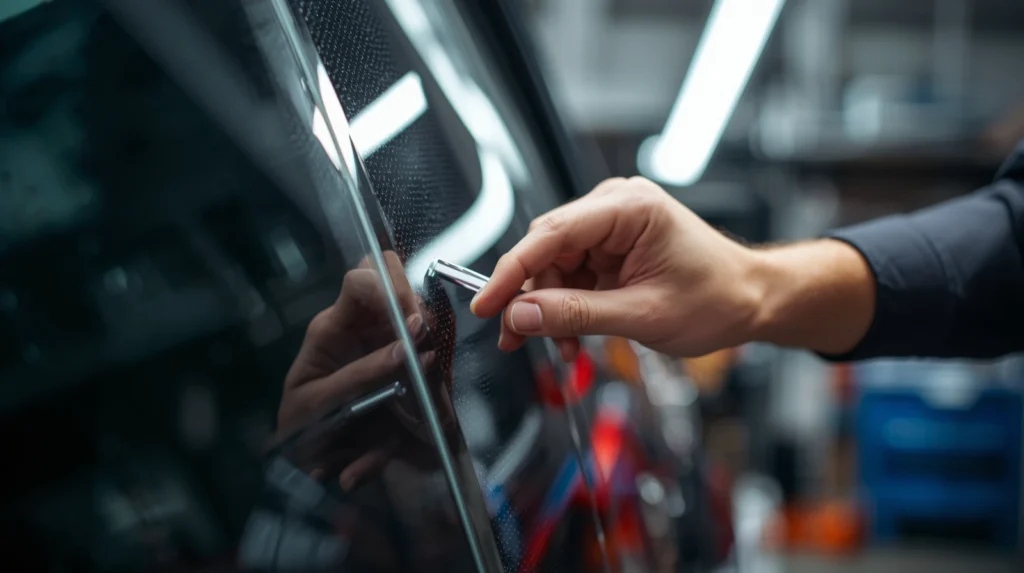
One common mistake is choosing low quality film. Cheap materials tear easily and require rework. Another issue is poor glass preparation, which leads to contamination and delays.
Inexperienced installers often spend extra time fixing errors. This increases cost and frustration. Choosing skilled professionals reduces these risks.
Quality focused shops prioritize accuracy from the start. This approach saves time overall and delivers better results.
Why Choosing Red Line Customs Saves Time and Delivers Better Results
Red Line Customs focuses on precision, experience, and honest service. Each vehicle receives careful attention to detail, ensuring efficient installation without sacrificing quality.
The team uses proven techniques and high quality materials to complete jobs correctly the first time. This approach saves time by avoiding rework and ensures long lasting performance.
Professional installation protects your vehicle, your investment, and your schedule.
Window tinting improves comfort, protects interiors, and enhances appearance. Understanding how the process works helps drivers make informed decisions and avoid rushed installations.
If you want professional results that balance speed and quality, reach out to Red Line Customs and schedule your window tinting service today. A short wait delivers lasting comfort and confidence on every drive.